

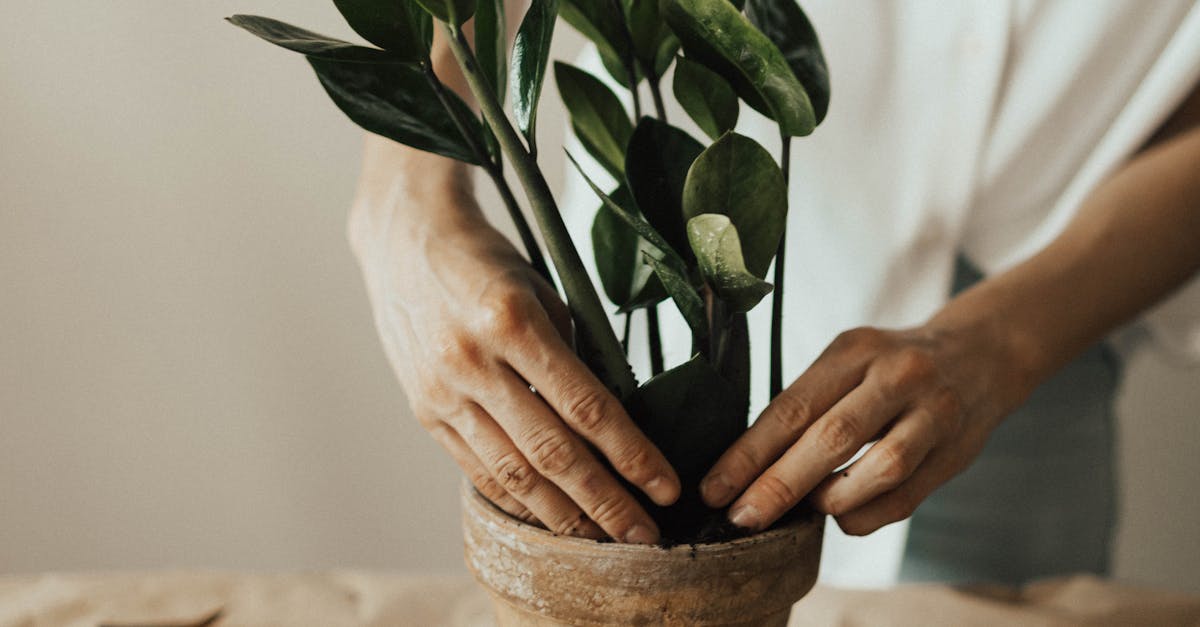
Hydroponic gardening and herb gardening are two exciting and innovative ways to cultivate plants. Incorporating these methods into your gardening repertoire can enhance your skills and yield bountiful harvests. In this article, we will explore seven unrivaled plans for learning about hydroponic gardening and herb gardening, with a focus on integrating both techniques to grow flavorful herbs and nutritious vegetables.
Plan 1: Research Hydroponic Systems
Start your learning journey by researching different hydroponic systems available. From deep water culture to nutrient film technique, each system has its unique benefits and requirements. Understand the basics of hydroponics to choose the system that best suits your space, budget, and gardening goals.
Plan 2: Master Herb Gardening Basics
Before diving into hydroponics, familiarize yourself with the fundamentals of herb gardening. Learn about the specific needs of different herbs, including sunlight, water, and soil requirements. Understanding the basics of herb gardening will set a strong foundation for your hydroponic herb garden.
Plan 3: Combine Hydroponics and Herb Gardening
Merge the worlds of hydroponics and herb gardening by setting up a hydroponic herb garden. Experiment with growing herbs like basil, mint, and cilantro in a hydroponic system to witness accelerated growth and flavor-boosting benefits. Embrace the opportunity to grow fresh, aromatic herbs year-round with this innovative approach.
Plan 4: Explore Vertical Hydroponic Gardening
Take your hydroponic garden to new heights by exploring vertical hydroponic gardening. Vertical systems maximize space efficiency and offer a visually stunning way to grow herbs and vegetables in limited areas. Discover the advantages of vertical gardening for compact urban spaces or small balconies.
Plan 5: Cultivate Hydroponic Vegetables
Expand your hydroponic gardening skills by cultivating a variety of vegetables in your hydroponic setup. From leafy greens like lettuce and spinach to vibrant peppers and tomatoes, hydroponic vegetable gardening offers a productive and water-efficient way to grow fresh produce. Experiment with different vegetables to diversify your harvest.
Plan 6: Implement Sustainable Practices
Embrace sustainability in your hydroponic and herb gardening endeavors by implementing eco-friendly practices. Explore options like using recycled materials for your hydroponic system, incorporating composting techniques, and reducing water wastage. Adopting sustainable practices will not only benefit the environment but also enhance the health of your plants.
Plan 7: Share Your Knowledge
Share your passion for hydroponic and herb gardening by educating others. Start a blog, host workshops, or join gardening communities to exchange ideas and tips with like-minded enthusiasts. By sharing your knowledge and experiences, you can inspire others to embark on their own journey of learning and creativity in the world of gardening.
Conclusion:
Embark on a rewarding and educational journey by delving into the realms of hydroponic and herb gardening. By following these seven unrivaled plans for learning, you can expand your gardening skills, cultivate a wide array of plants, and contribute to sustainable practices. Embrace the innovative techniques of hydroponics and the aromatic delights of herb gardening to create a flourishing garden that nourishes both body and mind.
