

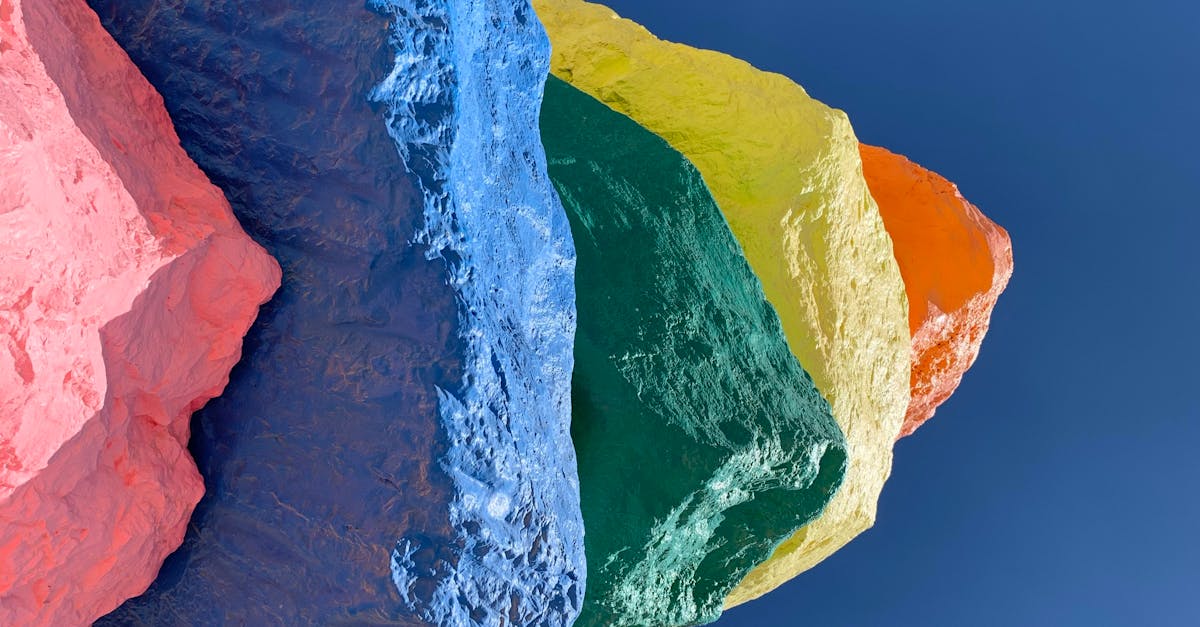
Installation sculpture is a versatile and dynamic form of art that has the power to captivate and stir emotions in viewers. As a medium that embraces various techniques and materials, installation sculpture can take on different forms, such as environmental sculpture, relief sculpture, ceramics, and metal artworks. In this article, we delve into the powerful pros and potential pitfalls of installation sculpture, with a focus on these distinct categories.
Pros of Installation Sculpture:
1. Environmental Sculpture:
Environmental sculpture, often created on a large scale and integrated with natural surroundings, has the potential to evoke profound emotional responses and raise awareness about environmental issues. By utilizing natural materials and harmonizing with the environment, this form of installation sculpture can highlight the beauty of nature and the urgent need for conservation.
2. Relief Sculpture:
Relief sculpture, which involves sculpting or carving figures or motifs onto a surface, offers a tactile and visually striking medium for artists. The play of light and shadow on the raised surfaces can create a sense of depth and texture, adding a dynamic dimension to the artwork. Relief sculpture can be versatile, allowing artists to experiment with various materials and styles to convey their artistic vision.
3. Ceramics and Metal Sculpture:
Ceramics and metal sculptures bring a unique aesthetic and tactile quality to installation art. Ceramics offer artists a versatile medium to explore textures, shapes, and colors, while metal sculptures can add a modern and industrial touch to the space. These materials allow for intricate detailing and durability, making them suitable for both indoor and outdoor installations.
Cons of Installation Sculpture:
1. Space and Installation Requirements:
Installation sculpture often requires significant space and logistical considerations for display. Artists may face challenges in finding suitable venues to showcase their large-scale artworks, which can limit their creative freedom and accessibility to a broader audience. Additionally, the installation process itself can be labor-intensive and costly, requiring careful planning and coordination.
2. Maintenance and Durability:
Environmental factors, such as weather conditions and exposure to the elements, can pose challenges to the longevity and preservation of installation sculptures. Ceramics and metal sculptures may require special care and maintenance to prevent corrosion or damage over time. Without proper upkeep, these artworks may deteriorate or lose their visual impact, affecting the overall aesthetic quality.
3. Interpretation and Engagement:
Installation sculpture, particularly conceptual or abstract artworks, may face challenges in engaging viewers and conveying a clear message or narrative. The interpretation of such artworks can be subjective and open to diverse perspectives, leading to potential misunderstandings or lack of connection with the audience. Artists must find a balance between artistic expression and audience engagement to create meaningful and impactful installations.
Conclusion:
Installation sculpture, encompassing environmental, relief, ceramics, and metal artworks, offers a rich tapestry of creative possibilities and challenges for artists. By exploring the powerful pros and potential pitfalls of this dynamic art form, we gain a deeper understanding of its impact on the art world and society. As artists continue to push boundaries and experiment with diverse materials and techniques, installation sculpture remains a vibrant and evolving medium for artistic expression.
