

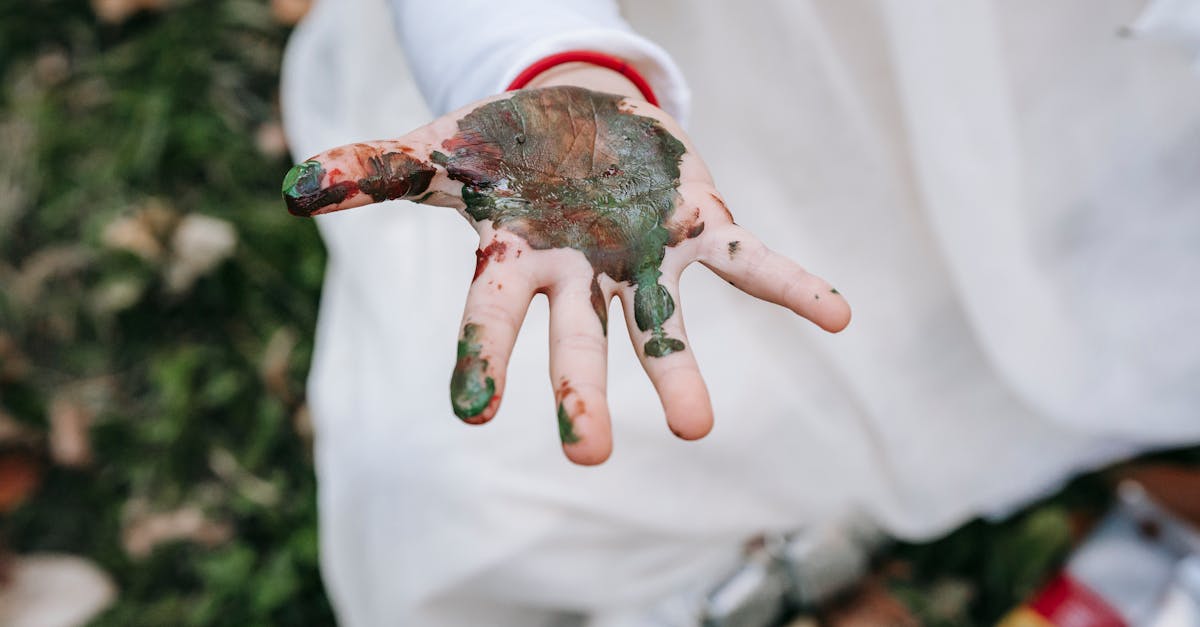
In the realm of artistic expression, watercolor painting stands out as a medium that not only allows for creativity but also serves as a therapeutic tool for self-care and mindfulness. The interplay of colors, textures, and techniques in watercolor art offers a unique avenue for individuals to explore their emotions, cultivate mindfulness, and create stunning visual masterpieces.
Understanding the Basics of Watercolor Painting
Watercolor painting is a versatile and dynamic medium that involves using water-based pigments on a paper surface. One of the key characteristics of watercolor painting is its transparent quality, allowing for layering and blending of colors to create unique effects. Unlike other painting mediums, such as oils or acrylics, watercolors require a delicate touch and a fluid approach, making them well-suited for exploring emotions and expressing feelings.
Self-Care Through Painting
Engaging in watercolor painting can be a powerful form of self-care. The act of painting allows individuals to quiet their minds, focus on the present moment, and tap into their creativity. The process of mixing colors, applying paint to paper, and watching as the pigments interact can be a calming and meditative experience. Through painting, individuals can release stress, express their emotions, and gain a sense of accomplishment and satisfaction.
Exploring Stunning Color Schemes
One of the most captivating aspects of watercolor painting is the endless array of stunning color schemes that can be created. From vibrant and bold hues to soft and muted tones, watercolors offer a wide range of possibilities for artists to experiment with. By exploring different color combinations and techniques, painters can evoke various moods, convey emotions, and create visually striking compositions.
Tips for Embracing Stunning Color Schemes in Watercolor Painting
1. Start with a limited palette: Begin by working with a small selection of colors to familiarize yourself with how they interact and blend. Gradually expand your palette as you become more confident in your color mixing skills.
2. Experiment with color theory: Explore the principles of color theory, such as complementary colors, analogous colors, and color temperature, to create harmonious and visually appealing compositions.
3. Embrace spontaneity: Allow yourself to let go of perfectionism and embrace the unpredictability of watercolors. Embrace happy accidents and let the natural flow of the paint guide your creativity.
4. Use the transparency of watercolors to your advantage: Take advantage of the transparency of watercolors by layering colors to create depth and luminosity in your paintings.
5. Practice mindfulness: Approach your painting sessions with a sense of mindfulness and intention. Focus on the sensations of painting, the movement of your brush, and the colors on your palette to fully immerse yourself in the creative process.
In conclusion, watercolor painting offers a beautiful and enriching way to practice self-care, express emotions, and create stunning works of art. By embracing stunning color schemes and exploring the therapeutic benefits of painting, individuals can unlock their creativity and nurture their well-being through the transformative power of watercolors.
