

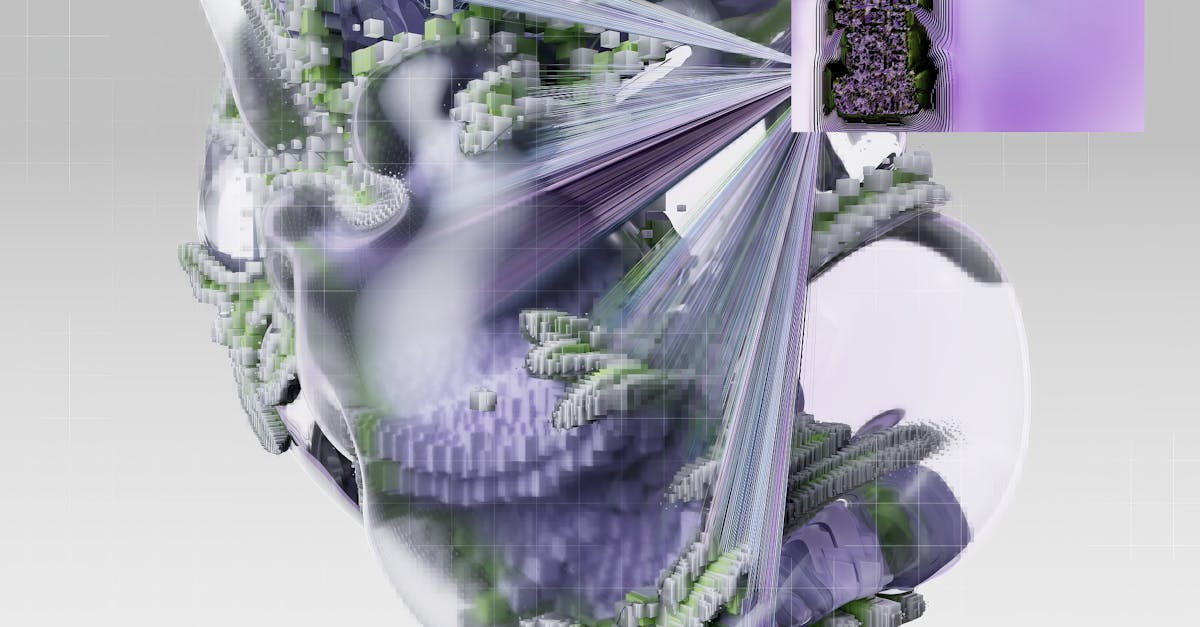
Sculpting information is a dynamic and versatile field that encompasses various techniques and styles. Among the myriad of sculpting processes, exploring pattern terms forms a fascinating aspect that adds depth and meaning to sculptural artworks. In this article, we delve into the fantastic processes of pattern terms in sculpting, with a slight emphasis on relief sculpture, figurative sculpture, and the unique medium of wood sculpture.
Understanding Pattern Terms in Sculpting:
Pattern terms refer to the fundamental design elements and motifs that artists use to create dynamic compositions in their sculptural works. Patterns can encompass a wide range of forms, including geometric shapes, organic motifs, textures, and symbols, among others. By utilizing pattern terms, sculptors bring visual interest, rhythm, and coherence to their artworks, enhancing the overall aesthetic appeal and storytelling within the piece.
Exploring Relief Sculpture:
Relief sculpture is a sculptural technique where figures or forms are carved or molded into a flat surface, creating a sense of depth through the manipulation of light and shadow. In relief sculpture, pattern terms play a crucial role in defining the composition and guiding the viewer’s eye across the artwork. Artists often use patterns such as spirals, geometric shapes, and intricate textures to enhance the visual impact of their relief sculptures, adding layers of meaning and symbolism to the piece.
Embracing Figurative Sculpture:
Figurative sculpture focuses on the representation of the human form or figures in sculptural art. When incorporating pattern terms into figurative sculpture, artists have the opportunity to imbue their works with symbolism, emotion, and narrative depth. Patterns can be used to highlight specific features, create movement, or convey underlying themes within the figurative sculpture. By skillfully integrating pattern terms, sculptors can breathe life into their creations, evoking an emotional response from viewers and transcending mere physical representation.
The Beauty of Wood Sculpture:
Wood sculpture holds a unique charm and warmth that sets it apart from other sculptural mediums. When working with wood, artists have the opportunity to harness the natural beauty and grain of the material, integrating pattern terms to enhance the organic quality of their sculptures. Patterns in wood sculpture can range from fluid, flowing lines to intricate wood grain textures, adding a tactile and sensory dimension to the artwork. Whether showcasing intricate details in a figurative wood sculpture or exploring abstract patterns in a relief carving, the versatility of wood as a medium allows artists to express their creativity in varied and captivating ways.
Conclusion:
Pattern terms form an integral part of sculpting, allowing artists to infuse their works with visual interest, meaning, and narrative depth. In the realms of relief sculpture, figurative sculpture, and wood sculpture, the exploration of pattern terms opens up a world of creative possibilities, enriching sculptural artworks with beauty, symbolism, and craftsmanship. By understanding and leveraging pattern terms in sculpting, artists can create captivating and evocative pieces that resonate with viewers on a profound level.
