

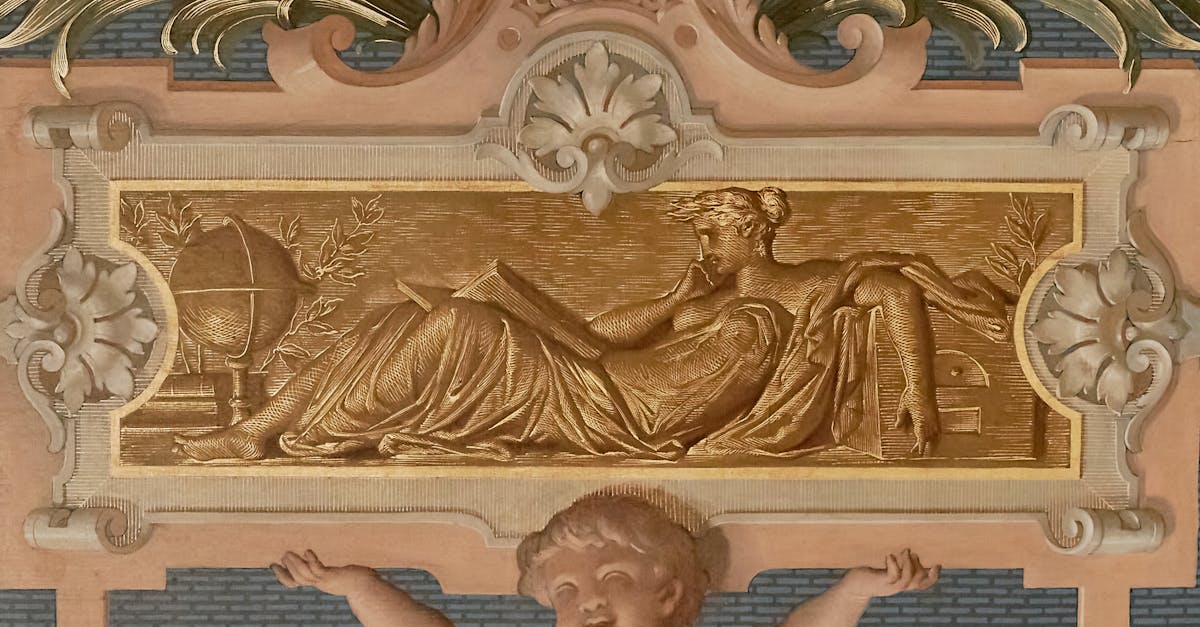
Relief sculpture is a captivating art form that involves carving or shaping a design into a flat surface. This dynamic artistic technique allows artists to create visually striking pieces that blend elements of two-dimensional and three-dimensional art. When paired with the concepts of abstract sculpture, relief sculpture opens up boundless possibilities for creative expression. By harnessing the tactile qualities of clay and the organic warmth of wood, artists can bring their visions to life in a unique and tangible form. Here are four ultimate guidelines for crafting stunning relief sculptures in the world of abstract art:
1. Embrace Abstraction:
One of the defining characteristics of abstract sculpture is the departure from realistic representation. In relief sculpture, artists have the freedom to distort, simplify, or completely reimagine forms to convey their artistic vision. Embrace abstraction by experimenting with unconventional shapes, textures, and compositions. Allow your imagination to run wild and challenge traditional notions of representation in your relief sculptures.
2. Understand Relief Sculpture Techniques:
Relief sculpture can be created in various depths, ranging from low to high relief. Low relief, also known as bas-relief, features shallow carving that does not fully detach from the background. High relief, on the other hand, involves deeper carving to create more pronounced sculptural elements that project prominently from the surface. Familiarize yourself with these techniques and explore how different levels of relief can impact the visual impact of your artwork.
3. Explore the Versatility of Clay:
Clay is a versatile medium that lends itself well to relief sculpture due to its malleability and ability to hold intricate details. Experiment with different types of clay, such as terracotta or porcelain, to discover which best suits your artistic style. Create sculptural reliefs with clay by carving, molding, or pressing the material onto a backing surface. Embrace the tactile nature of clay to add depth and dimension to your relief sculptures.
4. Harness the Beauty of Wood:
Wood offers a rich and organic quality that can enhance the visual appeal of relief sculptures. Explore the unique characteristics of different wood types, such as oak, walnut, or cedar, to add warmth and texture to your artwork. Carve and sculpt wood to create intricate patterns, textures, and sculptural forms that complement the overall design of your relief sculpture. Consider combining clay and wood in your relief sculptures for a harmonious blend of materials that showcase both their individual strengths.
In conclusion, relief sculpture presents endless opportunities for artists to push the boundaries of creativity and express their artistic visions in a tangible form. By incorporating the concepts of abstract sculpture and experimenting with clay and wood as mediums, artists can create captivating relief sculptures that captivate viewers and evoke emotional responses. Follow these four ultimate guidelines to master the art of relief sculpture and unleash your creativity in the realm of abstract art.
