

Incorporating the principles of Japanese Zen gardening into the innovative technique of hydroponic growing can elevate your gardening experience to a new level of mindfulness and serenity. By merging the tranquil aesthetics of Japanese gardening with the efficiency of hydroponics, you can create a harmonious space that not only cultivates flourishing flowers but also nourishes your soul. Here are 20 simple steps to guide you in this unique fusion of tradition and technology:
1. Choose a dedicated space for your hydroponic garden that receives ample natural light, preferably near a window where sunlight streams in gently.
2. Select a container that embodies simplicity and elegance, such as a traditional Japanese ceramic pot or a sleek modern planter with clean lines.
3. Fill the container with nutrient-rich hydroponic solution, ensuring that the root system of your flowers will receive essential minerals for healthy growth.
4. Cultivate a sense of tranquility in your gardening space by incorporating elements of Zen design, such as smooth stones, miniature bridges, or a small waterfall feature.
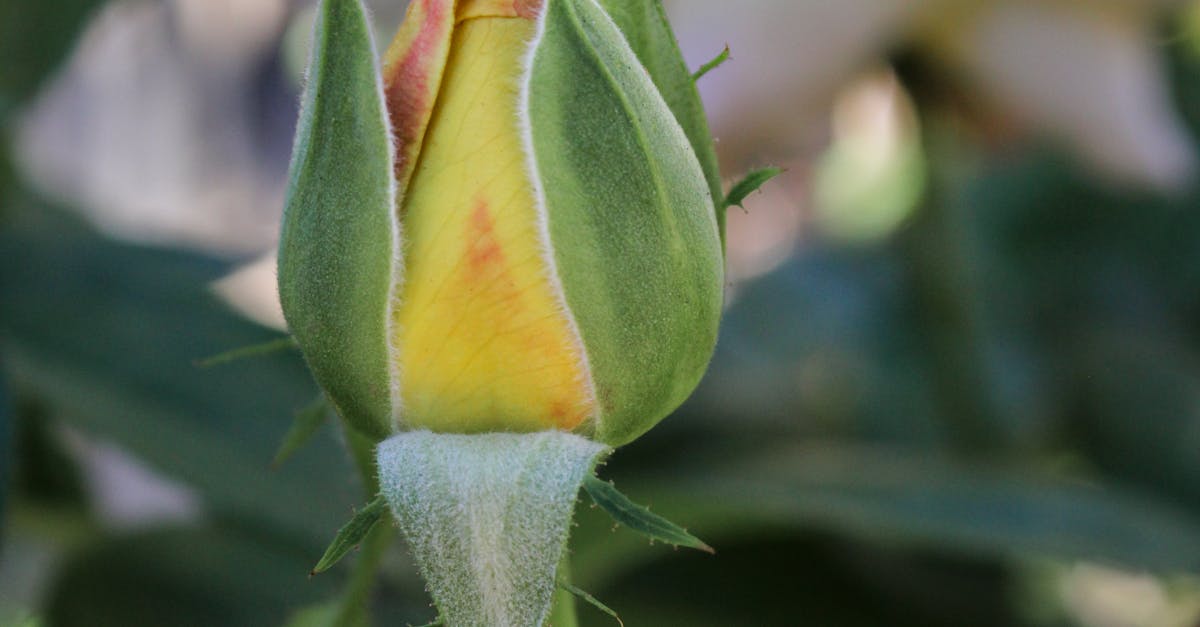
5. Select flower varieties that are well-suited to hydroponic growing, such as orchids, roses, or lilies, to add a touch of natural beauty to your serene oasis.
6. Embrace the concept of wabi-sabi, finding beauty in imperfection, by allowing some leaves to naturally wilt or flowers to bloom asymmetrically.
7. Practice mindfulness while tending to your hydroponic garden, focusing on each task with intention and awareness to cultivate a sense of inner peace.
8. Create a daily self-care routine around your hydroponic gardening practice, incorporating moments of stillness and reflection as you nurture your flowers.
9. Pay attention to the water levels in your hydroponic system, ensuring that the roots of your flowers are consistently hydrated for optimal growth.
10. Integrate aromatherapy into your gardening space by selecting fragrant flower varieties that can uplift your mood and promote relaxation, such as lavender or jasmine.
11. Arrange your container garden with a minimalist approach, using negative space and simple lines to create a sense of balance and harmony in your display.
12. Incorporate elements of kokedama, the art of growing plants in moss balls, to add a natural touch to your hydroponic flower arrangement.
13. Practice the art of karesansui, or dry landscape gardening, by incorporating sand or gravel into your container design to evoke the calming essence of a Zen rock garden.
14. Experiment with different lighting options, such as soft LED lights or natural candlelight, to create a soothing ambiance in your hydroponic garden during the evening hours.
15. Engage all your senses in the gardening experience by incorporating wind chimes, gentle music, or the sound of flowing water to create a multi-sensory space of relaxation.
16. Reflect on the cyclical nature of growth and decay as you observe your flowers blooming and fading, embracing the impermanence of all living things in true Zen fashion.
17. Encourage the flow of energy, or chi, throughout your hydroponic garden by incorporating Feng Shui principles into your design, such as balancing elements and creating a harmonious layout.
18. Practice the art of Ikebana, the Japanese art of flower arranging, by carefully selecting and arranging your hydroponically grown flowers in a way that embodies grace, simplicity, and beauty.
19. Embrace the concept of ma, or negative space, in your container garden design by allowing for moments of pause and reflection amidst the greenery and blooms.
20. Finally, take time to meditate in your hydroponic oasis, allowing the beauty of nature and the tranquility of Zen gardening to soothe your mind, body, and spirit as you tend to your blossoming flowers with care and dedication.
By following these 20 steps to harmonize Japanese Zen gardening with hydroponic flower cultivation, you can create a sanctuary of serenity and beauty in your own home, cultivating not only vibrant blooms but also a deep sense of peace and mindfulness in your daily life.
