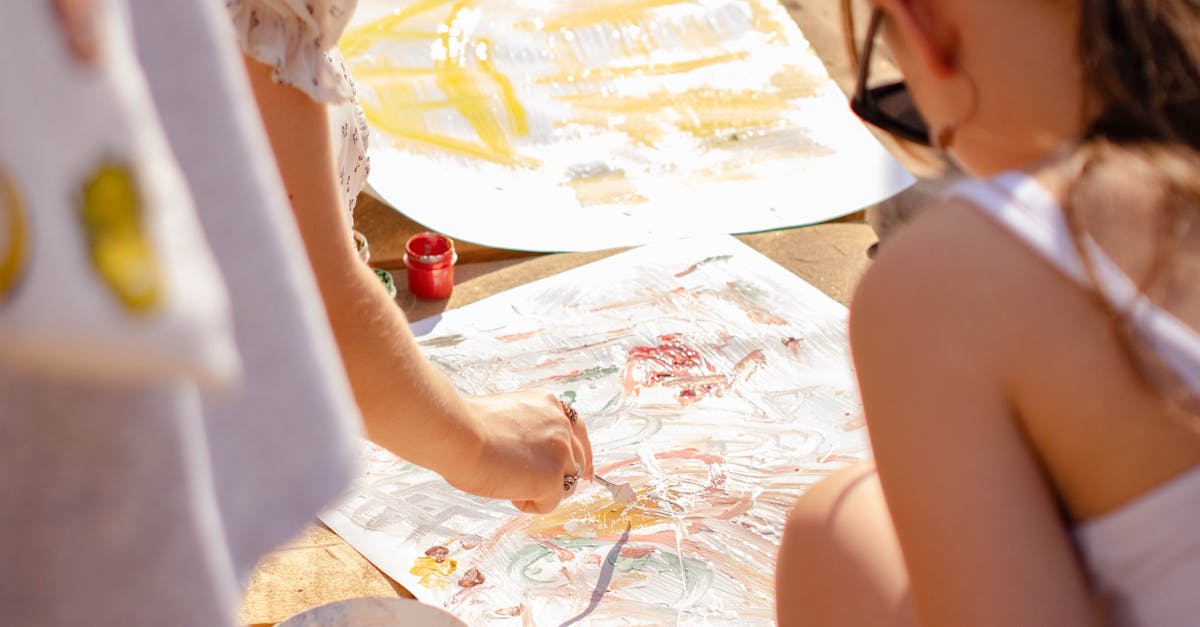
Tool-and-technique instructions don’t have to feel like homework. Done right, they’re more like a paint-by-paint support system—the kind that keeps your brush steady, your expectations realistic, and your work improving faster than you think.
Here’s the hopeful truth: most people aren’t “bad at painting.” They’re just missing the how behind the what—and the support behind the technique. So below, you’ll find 15 painting experts’ style of guidance, distilled into practical steps for oil painting and watercolors, with a special emphasis on support, self-care, and following instructions the right way.
—
The Real Job: Turn Instructions Into a Safe, Repeatable System
If you’ve ever followed a tutorial exactly and still ended up frustrated, you’re not alone. Paint is stubborn chemistry, light is unpredictable, and your materials have their own personalities. The winning move isn’t to “obey” instructions blindly—it’s to translate them into your context:
- Your space (ventilation, temperature, humidity)
- Your materials (brand differences, paper type, brush shape)
- Your body (fatigue, hand strain, vision changes)
- Your time (dry times and waiting are part of painting, not a detour)
A lot of experts describe technique as repeatable habits. You’re not just learning to paint—you’re learning how to remain calm while painting.
“The fastest way to improve isn’t speed—it’s consistency with support.”
—
Oil Painting: Support Your Process Before You Chase Perfection
Oil painting rewards patience—but it punishes impatience disguised as “experience.” When experts talk about tool-and-technique instructions, they usually circle back to one idea: prepare your workflow so the paint can behave.
5 Expert-Style Moves for Oil Painting Success
- Follow the instructions for the “why,” not just the steps. If a method says “thin the paint,” ask what it’s meant to control—flow, transparency, or drying time.
- Don’t skip ventilation. Even if you “feel fine,” build habits that keep you safe over the long run.
- Use the right primer/support (canvas, linen, or gessoed board). Surface preparation changes everything: adhesion, smoothness, how lights sit on top.
- Give layers room to breathe. Dry time isn’t a suggestion. If you paint over damp layers, you’ll often get lifting, muddiness, or texture issues.
- Keep a simple material log. Notes like “brand,” “oil medium,” “ratio,” and “days between layers” help you correct faster than guessing.
A quick self-care note that actually matters
Oil painting can be physically demanding (standing at an easel, cleaning brushes, long sessions). Experts often recommend “short, frequent” painting blocks instead of marathon sessions. Your technique improves when your wrist isn’t fighting cramps.
—
Watercolors: Precision Plus Patience (and the Right Kind of Support)
Watercolor instructions often sound simple—wash, lift, soften, glaze—yet the results can swing wildly. That’s because watercolor is less forgiving than it looks. The pigment is only part of the story; the rest is paper, water control, and drying rhythms.
5 Expert-Style Moves for Watercolor Success
- Choose your paper with intent. Cold-pressed, hot-pressed, and heavyweight sheets behave differently with washes and edges.
- Follow brush instructions by matching your brush to the job. A broad wash brush is not a detail brush, and “making it work” usually costs you time later.
- Learn the drying timeline in real life, not theory. Humidity and airflow change everything. Instructions are a baseline; your studio is the final judge.
- Practice gradients before you paint the final subject. Experts repeatedly say: master the tool behavior (wet-on-wet vs. wet-on-dry) before you try to “perform” an image.
- Use water as a controlled medium, not a mood. Too much water can wash out pigment; too little can cause hard edges or patchiness.
The self-care angle: eyes and hands
Watercolor often encourages close work—fine edges, careful lifts, repeated re-wetting. That’s where beginners burn out. Many experienced painters suggest:
- Take breaks to reset your focus
- Stretch your painting hand gently
- Switch posture rather than forcing the same strain for hours
Your body isn’t optional; it’s part of the technique.
—
The 15-Expert Checklist: How to Follow Instructions Without Losing Yourself
Think of this as your “support scaffold.” Use it whenever a tutorial says do X, then Y, then Z.
10 practical rules (compiled from common expert habits)
- Read the entire instruction once before touching a brush.
- Identify the “critical variable.” Is it drying time, pigment load, brush pressure, or surface absorbency?
- Test a small sample on the same support/material whenever possible.
- Match tools to techniques (not your mood of the moment).
- Watch drying, not clocks—especially for watercolor and oil glazing.
- Keep your ratios consistent (medium-to-paint, water-to-paint).
- Respect edge control. The crisp/soft edge decision affects the realism more than most beginners realize.
- Use layering intentionally. Transparent underlayers, controlled scumbles, glazing—each has a purpose.
- Clean as you go. A dirty brush or contaminated water changes results faster than you expect.
- Stop when you’re learning, not when you’re “getting it right.” That mindset shift is huge.
And here are 5 “expert mindset” rules that prevent frustration
- Treat mistakes as data. If it went wrong, you just learned something measurable.
- Don’t punish yourself for unfamiliar textures. Supports (canvas vs board vs paper) behave differently.
- Choose one technique to improve per session. Otherwise you drown in variables.
- Keep your expectations calibrated. Fast improvement comes from small, repeatable wins.
- Ask: what did the instruction protect me from? Many steps exist to prevent predictable failures.
“Technique is kindness—toward the paint, toward the process, and toward yourself.”
—
Support That Changes Everything: Studio, Mindset, and Care
Experts don’t just talk about brushes. They talk about conditions. The most consistent improvement stories have something in common: support—for your environment and for your nervous system.
What “support” looks like in practice
- A comfortable setup: correct height at the easel, stable lighting, enough ventilation
- A realistic workflow: dry times scheduled, not feared
- A self-care rhythm: short sessions, hydration, breaks for eyes and hands
- A feedback loop: swatches, photos, notes, and one targeted adjustment next time
When you treat technique instructions like scaffolding, you’re no longer chasing perfection. You’re building momentum.
And momentum is where confidence lives.
—
Quick Closing Hope
If you’ve been waiting for the “right” time to follow tool-and-technique instructions, this is it. Don’t aim for flawless. Aim for supported practice—with the right materials, safe habits, and a gentle, curious mindset.
Because the fastest way to get better results isn’t brute effort. It’s learning how to listen to the process—and care for yourself while you do.
