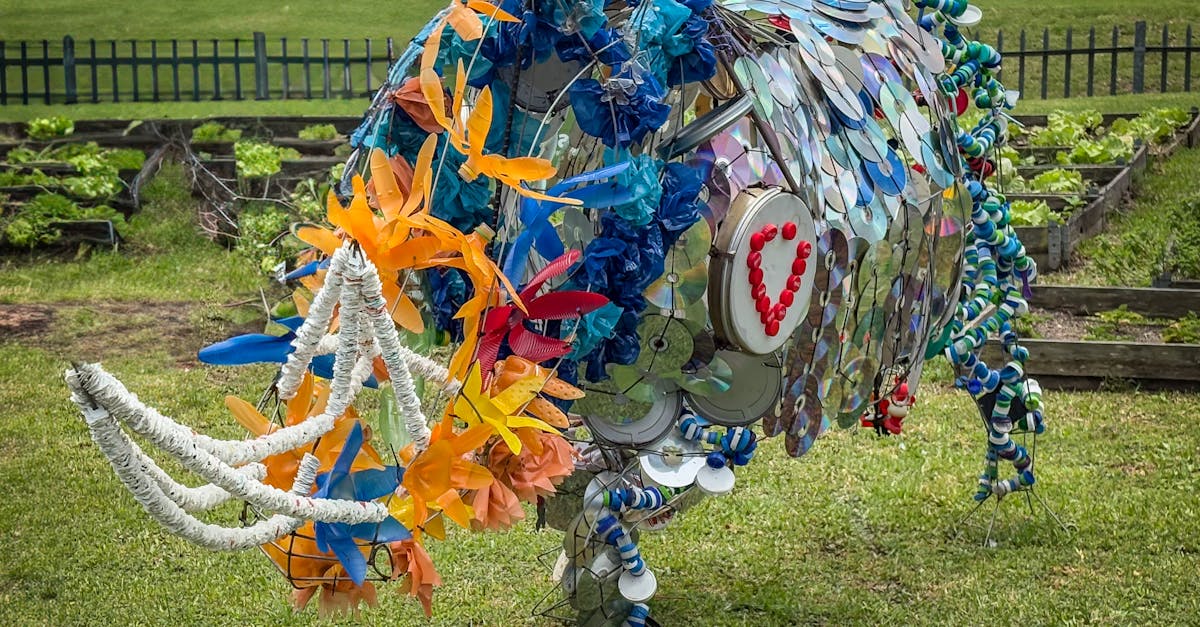
Metal manipulation in sculpting is like bending reality—transforming cold, rigid materials into dynamic forms that speak volumes. Yet, even seasoned sculptors know that mastering this craft requires more than just strength and patience. Enter smart suggestions, the subtle nudges and insights that can unlock new levels of creativity, technical prowess, and problem-solving in your work.
The Art Behind Metal Manipulation
Working with metal isn’t simply about hammering and welding. It’s a nuanced dance of tension, texture, and form. Whether you’re crafting a delicate relief sculpture or a sprawling installation sculpture, understanding metal’s unique properties is paramount. Techniques like heating, hammering, bending, and joining can all be enhanced when paired with well-timed advice or a fresh perspective.
Take relief sculpture, for instance. It sits somewhere between flat surface art and full 3D forms, playing with depth to create striking visuals. Suggestions about how to vary thickness or where to accentuate folds in metal can completely alter the piece’s emotional impact. This hyper-awareness can come from experience or, increasingly, from smart suggestions embedded in digital tools or shared within creative communities.
Installation Sculpture: Scale Meets Strategy
Installation sculptures push boundaries with their scale and immersive quality. Here, metal manipulation is not only about shaping but also about envisioning how each component interacts within a space. Smart suggestions—whether from software simulations or collaborative feedback—can highlight structural weaknesses, suggest better anchoring points, or inspire alternative arrangements you might not have considered.
When you’re working with multiple materials—say metal and wood—these insights become even more vital. Wood’s organic texture contrasts beautifully with metal’s polished sheen, but this marriage demands careful planning. Suggestions on how to treat wood for durability or advice on securing metal elements without damaging the softer material open doors to innovative hybrid sculptures.
Wood and Metal: A Creative Dialogue
Metal and wood share a fascinating conversation in sculpture. Wood’s warmth and variability can soften metal’s industrial edge, creating pieces that resonate both visually and tactilely. Smart suggestions here often revolve around:
- Choosing compatible adhesives or fasteners
- Planning for wood expansion and contraction
- Balancing material weights for stability
Even seasoned sculptors find that fresh input can spark new approaches when working with these mixed media, allowing for seamless integration without compromising the integrity of each element.
Leveraging Technology and Community Feedback
The sculpting world has embraced many digital tools designed to offer real-time smart suggestions for artists. From 3D modeling apps that simulate metal bending stresses to forums where seasoned metalworkers share troubleshooting tips, these resources are invaluable.
“Sometimes a well-placed suggestion doesn’t just improve your work—it completely changes how you think about your materials.”
Listening to these insights encourages experimentation and risk-taking, fostering sculptors who can push metal beyond traditional limits.
Final Thoughts: When Suggestions Shape Mastery
By embracing smart suggestions, metal manipulation sculptors don’t just fix problems—they find new creative pathways. Whether refining a relief sculpture’s subtle curves, securing an installation’s physical and conceptual balance, or harmonizing metal with wood, these insights transform challenges into opportunities.
Next time you’re at your workbench, pause and seek out those moments of insight—be it from technology, mentors, or your sculpting community. Your metal will thank you with forms that are not only stronger and more stable but also eloquently expressive.
