

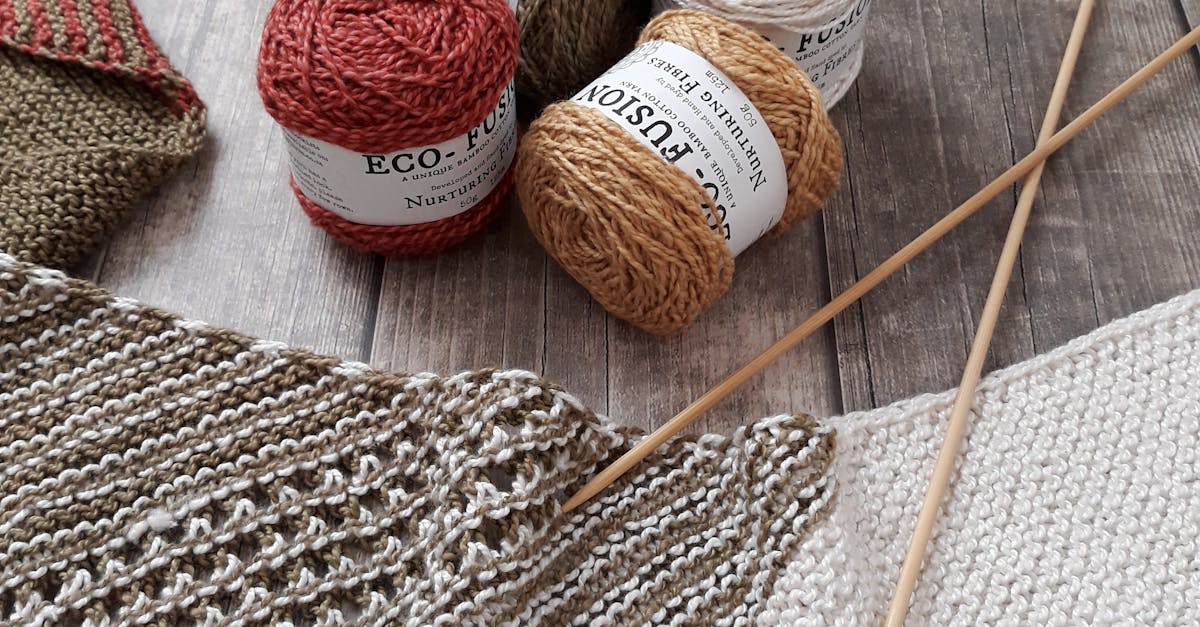
Knitting is a timeless craft that allows individuals to express their creativity and create beautiful pieces of art with just a pair of needles and yarn. Whether you are a seasoned knitter or a beginner looking to expand your skills, mastering different knitting techniques can bring your projects to a whole new level. In this article, we will explore three key knitting techniques – Intarsia, Aran knit, and lace – and highlight their unique features and applications.
Intarsia Knit: Intarsia knitting is a colorwork technique that involves knitting with multiple colors to create intricate designs or patterns. Unlike Fair Isle knitting, where colors are carried across the back of the work, in Intarsia knitting, separate balls of yarn are used for each color block. This technique allows for sharp color changes and the freedom to create detailed motifs such as animals, flowers, or geometric shapes. Mastering Intarsia knit requires careful yarn management to avoid gaps or holes at color changes. By practicing this technique, knitters can add personalized touches to their garments and accessories.
Aran Knit: Aran knitting takes its name from the Aran Islands off the west coast of Ireland, where the iconic Aran sweaters originated. This style of knitting is characterized by intricate cable patterns that symbolize fishermen’s ropes and Irish heritage. Aran knit stitches are rich in texture, providing depth and warmth to the finished piece. Cable needles are used to cross stitches and create twists and braids that add visual interest to the fabric. Knitting an Aran sweater or scarf is a rewarding challenge that allows knitters to showcase their skills and create heirloom-quality pieces with a traditional touch.
Lace: Lace knitting involves creating delicate and airy patterns by increasing and decreasing stitches in a specific sequence. Lace motifs can range from simple eyelets to intricate floral designs, adding a touch of elegance to shawls, scarves, and garments. Knitting lace requires attention to detail and patience, as yarn overs and decreases create the openwork texture characteristic of lace. Blocking lace projects after knitting is essential to reveal the intricate patterns and create a polished finish. Knitters who enjoy a challenge and appreciate the beauty of delicate fabrics will find lace knitting both rewarding and captivating.
In conclusion, mastering Intarsia, Aran knit, and lace techniques opens up a world of possibilities for knitters to experiment with color, texture, and design. Whether you prefer creating bold geometric patterns, cable twists, or delicate lace motifs, each technique offers a unique way to enhance your knitting repertoire. By incorporating these techniques into your projects, you can elevate your knitting skills and craft stunning pieces that reflect your creativity and style. Embrace the art of knitting and explore the endless possibilities that these techniques have to offer.
