Your Studio Doesn’t Need to Be Perfect to Be Productive
A work-from-home painting routine often fails for a simple reason: people try to build a studio that looks impressive instead of one that actually supports making art. The good news is that a better painting day usually starts with smaller decisions—where the water sits, how the light falls, when you begin, and how much friction you remove before the first brushstroke.
For painters working from home, especially those moving between watercolors and oil painting, the studio is not just a room. It’s part workspace, part habit, part career engine. And if it’s set up well from day one, it can make your practice feel calmer, more consistent, and more profitable over time.
A good studio routine doesn’t make creativity happen on command—it makes it easier for creativity to show up.
Start With the Medium, Not the Furniture
One of the biggest mistakes in home-studio advice is beginning with desks, shelves, and décor. Start with the demands of your medium instead.
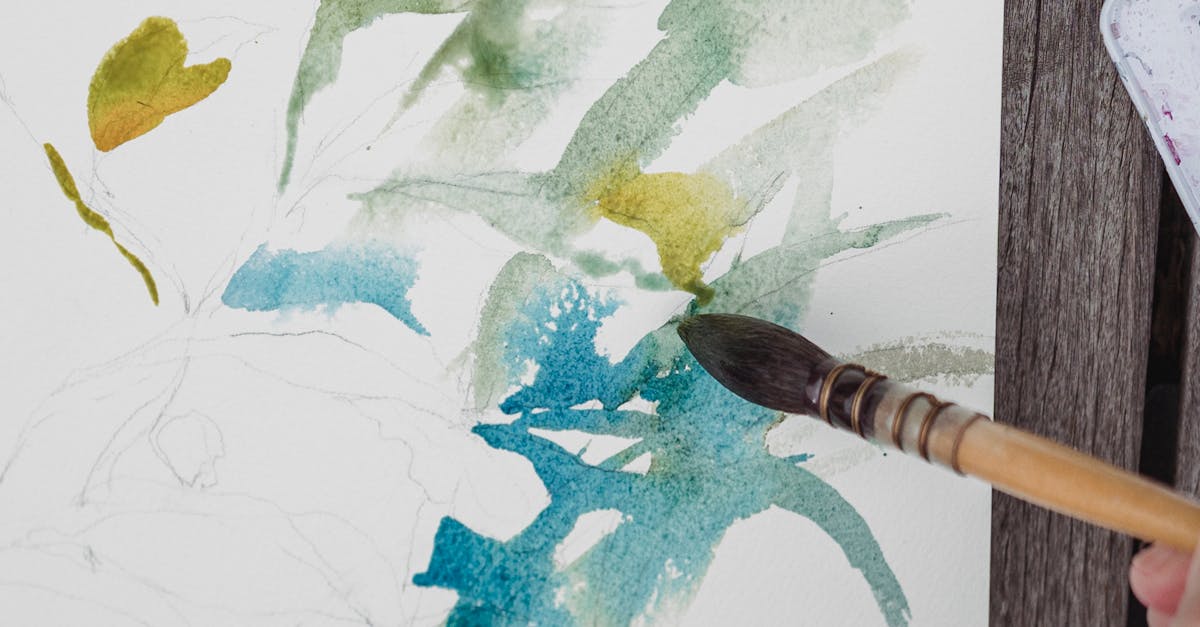
Watercolors reward speed, cleanliness, and easy access to clean water, paper, and drying space. They can fit beautifully into a home routine because the setup is relatively light, but they also punish clutter and hesitation. If you spend ten minutes hunting for a brush or clearing a surface, the flow of the session can disappear.
Oil painting, by contrast, asks for a different rhythm. You need room for wet work, a sensible place for solvents or alternative mediums, and enough organization to keep brushes, knives, palettes, and canvases from becoming chaos. Oil painters working from home often benefit from a routine that includes:
- a dedicated mixing area
- safe storage for solvents and mediums
- drying space that won’t be disturbed
- good ventilation
- a cleanup routine built into the session
If you paint in both watercolor and oil, don’t force both practices to share the exact same setup. Even a small home studio can work better when it has two clear modes: one for water-based work and one for oil-based work.
Build a Routine That Reduces Friction
The best home routines are not glamorous. They are efficient.
Think of the first ten minutes of your day as the moment that decides whether you’ll paint or procrastinate. If you can reduce the number of choices and obstacles, you make it much easier to begin. That matters whether you’re painting for personal growth, building a career, or trying to maintain momentum between commissions and portfolio pieces.
A strong routine might look like this:
- Prepare the space the night before
- Lay out brushes, paper, or canvas
- Fill water containers
- Check lighting
- Put reference images within reach
- Use a repeatable warm-up
- Quick color studies for watercolor
- Brush handling exercises for oil
- A 10-minute sketch to loosen up
- Separate setup from studio time
- Once you begin, don’t keep reorganizing
- Let the first painting task happen quickly
- End with cleanup
- Wash brushes
- Label works in progress
- Note the next step for tomorrow
This kind of structure doesn’t kill spontaneity. It protects it. Many painters find that once the routine becomes automatic, they feel more emotionally free inside the work.
Make Space for Both Creative Flow and Career Goals
For artists working from home, the studio is often also the office. That means your routine should support both making paintings and building a painting career.
If you mainly work in watercolors, your home routine might include more frequent small completions: finished studies, sketchbook pages, or collector-friendly pieces that can be photographed and shared quickly. Watercolor’s portability makes it ideal for maintaining a steady output, which is valuable if you’re posting online, applying to exhibitions, or building a body of work for clients.
If your focus is oil painting, your process may be slower, but it can still fit a strong career rhythm. You might schedule:
- one day for underpainting
- one day for wet-on-wet adjustments
- one day for varnish planning or documentation
- one day for photographing finished work
That kind of calendar helps your studio support income, visibility, and professional momentum. It also keeps the work from feeling vague. You’re not just “painting when you can.” You’re building a practice with recognizable stages.
Let the Home Studio Support the Person, Not Just the Painter
The happiest work-from-home routines are the ones that acknowledge real life. That includes interruptions, tired mornings, family noise, limited square footage, and the occasional day when your palette looks more interesting than your painting.
A sustainable studio routine respects your energy. Some days you’ll be best at precise watercolor layering. Other days you’ll want the physicality of oil, the slower blending, the broader marks. There’s no rule that says every day must look the same.
A few small habits can help:
- Keep a minimum viable setup for low-energy days
- Use a short timer to start painting for just 20 minutes
- Separate “experiment” work from “portfolio” work
- Take photos of progress so the work feels visible
- Give yourself permission to make smaller pieces regularly
That last point matters more than people admit. Many painters wait for the ideal block of time, the perfect mood, or the fully organized studio. But home-based creativity tends to reward consistency, not perfection.
A Better Routine Starts on Day One
If you’re setting up a painting studio at home, don’t think of routine as a restriction. Think of it as your first painting tool.
Watercolors ask for quick readiness and clear surfaces. Oil painting asks for safer, more deliberate handling and a steadier cleanup rhythm. Both benefit from a work-from-home structure that feels simple enough to repeat and flexible enough to survive real life.
The happiest studios are rarely the fanciest. They’re the ones where you can sit down, begin quickly, and trust that the space is working with you. When that happens, work-from-home stops being a compromise and starts feeling like an advantage.
