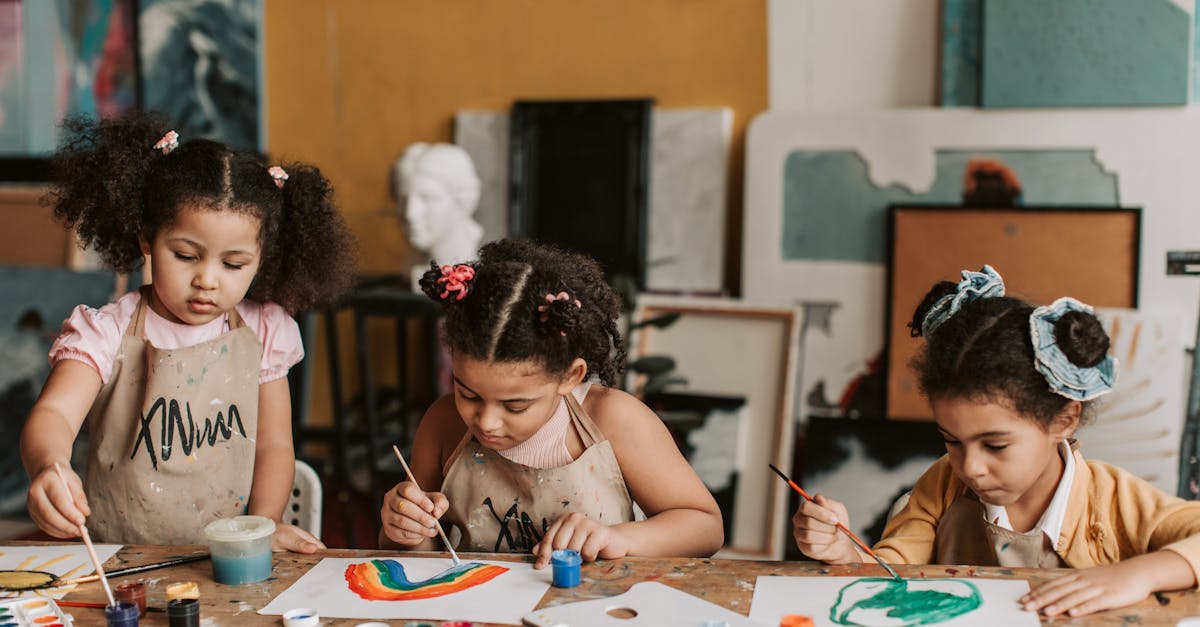
Stress relief through painting works best when it stops pretending to be a vague “creative hobby” and starts acting like a deliberate practice. The difference matters. A person who picks up a brush to calm their mind is not just making marks on paper or canvas; they are building a small system of support, rhythm, and self-trust. And when that system is designed well, painting becomes less of a distraction and more of a reliable way to reset the nervous system.
Why the Right Painting Features Matter
A lot of stress-relief advice treats painting as if any materials will do. But the features of the painting experience shape the outcome. The size of the surface, the drying time, the pressure of the medium, and even the cleanup all affect whether the activity feels soothing or frustrating.
That is why watercolors and oil painting often produce very different emotional effects.
- Watercolors encourage movement, softness, and quick decision-making.
- Oil painting rewards patience, layering, and slower reflection.
- A supportive setup reduces friction, making it easier to return to the practice regularly.
When stress is high, people do not need a perfect masterpiece. They need a process that feels safe, manageable, and inviting.
Support Is Not Optional
The most effective stress-relief painting practice includes support in more than one form. That may sound obvious, but it is often ignored.
Support can mean:
- A teacher or mentor who gives calm, practical feedback
- A friend or group that paints without judgment
- Tutorials that are clear rather than overwhelming
- Materials that are accessible, not intimidating
- A workspace that feels comfortable and low-pressure
Stress relief improves when the painting process feels supported rather than solitary and demanding. Support can make all the difference.
This is especially important for beginners. Someone trying painting for emotional relief may quickly quit if they think they need talent, technical mastery, or expensive supplies. Support lowers the barrier to entry. It tells the painter, “You are allowed to begin where you are.”
Watercolors and Oil Painting Offer Different Kinds of Relief
Choosing between watercolors and oil painting is not just a technical decision. It changes the emotional experience.
Watercolors: lightness and release
Watercolors are often ideal for people who want:
- Fast setup
- A sense of flow
- Loose, expressive marks
- Less physical heaviness
Because watercolor behaves unpredictably, it can be freeing. The painter has to respond rather than control everything. For someone carrying tension, that can feel like permission to let go. If you’re interested in exploring this further, art therapy techniques for stress relief can offer additional activities.
Oil painting: depth and patience
Oil painting offers a different kind of relief. It slows the painter down. Layers can be adjusted, softened, and revisited. That makes it powerful for people who need a more reflective, immersive practice.
Oil painting can support:
- Longer sessions
- Focused concentration
- A meditative pace
- A sense of building something over time
Neither medium is superior. The key is fit. If a person needs immediate release, watercolor may help more. If they need structure and depth, oil painting may be the better tool.
Painting Can Also Support Career Growth
There is a practical side to this conversation that often gets overlooked: painting for stress relief can strengthen a career. Not every painter starts with professional ambitions, but a soothing practice can evolve into one.
This happens because stress-relief painting develops skills that matter in creative work:
- Visual sensitivity
- Color confidence
- Discipline and habit
- Emotional expression
- Problem-solving under uncertainty
For some people, the painting routine becomes a gateway into illustration, teaching, commissions, design, or gallery work. For others, it simply improves their broader professional life by reducing burnout and increasing focus.
That is why rethinking painting features matters. A practice that is pleasant enough to repeat may become the foundation of a creative career later on. The work does not need to be “serious” at the beginning to become valuable.
A Better Approach to Stress Relief Painting
If the goal is real stress relief, the painting experience should be built around ease, support, and repeatability. That means asking practical questions:
- Which medium feels less demanding right now: watercolors or oil painting?
- Do I need more guidance, or more freedom?
- Is my setup encouraging calm, or creating friction?
- Can this practice fit into my life often enough to matter?
A better painting routine is not necessarily more ambitious. It is more sustainable. It respects the fact that stress affects attention, patience, and energy. The right features reduce resistance and make the act of painting feel like relief instead of another task.
Painting should not demand that you be “inspired” before it helps. It should meet you halfway.
Conclusion
Rethinking painting features changes everything about stress relief. When the process includes support, the medium fits the painter’s needs, and the setup is designed for comfort rather than pressure, painting becomes more effective and more restorative. Watercolors can offer release; oil painting can offer depth. Both can help a person recover balance, and both can even open the door to a career if the practice grows beyond personal use.
The point is simple: stress relief works better when painting is treated as a thoughtful, supportive system—not just a pastime.

Article orchestrated by Mobstacker’s WP Auto Muse Pro
.