

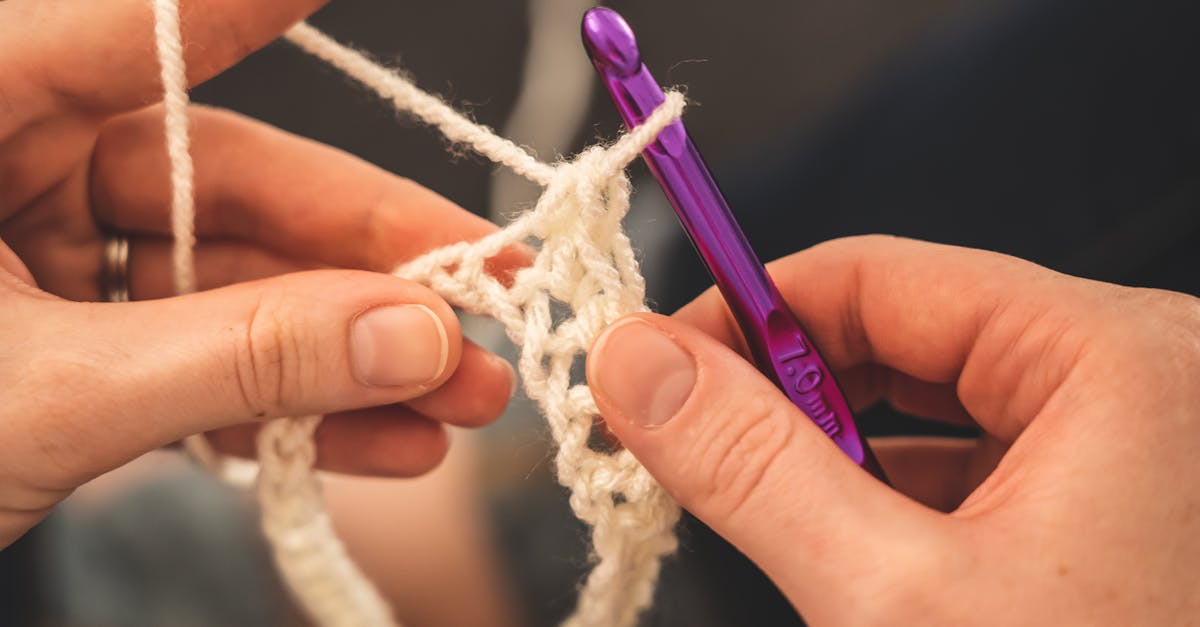
In the world of crochet, there exists a plethora of techniques and tools that can perplex even the most seasoned yarn enthusiasts. From the traditional Irish crochet to the intricate tapestry crochet, each method holds its own unique charm and challenges. However, there is one technique that stands out from the rest, casting a shadow of doubt and intrigue over the crochet community – Tunisian crochet.
Tunisian crochet, often hailed as the black sheep of the crochet family, has sparked heated debates and divided opinions among crafters worldwide. Some swear by its versatility and distinct texture, while others dismiss it as a cumbersome and time-consuming endeavor. But what sets Tunisian crochet apart from its counterparts, and why does it continue to incite such passionate discourse?
Let’s start by debunking the myth that Tunisian crochet is simply a hybrid of knitting and crochet. While it does share similarities with both crafts, Tunisian crochet boasts its own set of tools and techniques that distinguish it as a standalone art form. The use of an elongated hook, also known as an afghan hook, and the method of working stitches in a forward and return pass sets Tunisian crochet apart, giving rise to its signature dense and sturdy fabric.
Irish crochet, on the other hand, embodies a rich tradition steeped in history and heritage. Originating in the 19th century as a means of economic empowerment for Irish women, this intricate lace technique has stood the test of time, captivating crocheters with its delicate motifs and intricate patterns. While Irish crochet may appear daunting to beginners, its beauty lies in the dedication and artistry required to master its complex stitches and techniques.
In contrast, tapestry crochet offers a modern twist on traditional crochet, incorporating colorwork and intricate designs to create visually stunning fabric. By working with multiple strands of yarn and carrying colors along the back of the work, tapestry crochet allows crafters to explore their creativity and experiment with bold patterns and motifs. While mastering tapestry crochet may require patience and precision, the end result is a vibrant tapestry of colors that is sure to impress.
So, where does Tunisian crochet fit into this tapestry of techniques and traditions? Despite its divisive reputation, Tunisian crochet offers a unique blend of texture, drape, and versatility that sets it apart from its counterparts. With the ability to create thick, plush fabrics reminiscent of knitwear, Tunisian crochet opens up a world of possibilities for crocheters looking to expand their skill set and push the boundaries of traditional crochet.
In conclusion, the world of crochet is as vast and varied as the colors in a skein of yarn. Whether you find yourself drawn to the timeless elegance of Irish crochet, the bold creativity of tapestry crochet, or the enigmatic allure of Tunisian crochet, each technique holds its own beauty and challenges to be explored. So, next time you pick up your hook and yarn, dare to venture beyond your comfort zone and embrace the complexity and diversity that crochet has to offer.
